I began visiting the Maryland side of Assateague approximately 20 years ago. Seeing the horses walking freely amazed me – their strength, beauty, and independence were breathtaking, especially from such close proximity. But even then, I worried about seeing them on the same roads as cars, with nothing physically separating them from traffic. I could never quite shake the concern about what might happen if a driver was speeding, distracted, or simply unable to stop in time.
Susi Solé was not the first Assateague horse to die after being struck by a vehicle, and I would never want to suggest that the horses lost before her mattered any less. I had known for years that this danger was real. What was different this time was how the loss entered my own life. Susi’s namer, Donna Susi-Rash, is a friend of mine – we are both volunteer coaches with Special Olympics. Donna loved Susi and followed her closely over the years. Grief hits differently when it touches someone you know.
Then, within 24 hours, my favorite young Chincoteague mare, Wildfire’s Phoenix, died from complications arising from swamp cancer. Phoenix belonged to a different herd, lived in a different place, and died under entirely different circumstances, but grief does not arrange itself into neat categories. The two losses landed together on top of a concern I had carried for years. That compounded grief did not create the concern, but it changed what I was willing to do about it. I no longer wanted only to mourn, worry, or hope that something would change.
Advocacy has been a significant part of my life for many years. I have advocated for medically frail parents, my daughter Mikayla – who is 29 and has Down syndrome – and my husband, who is a disabled veteran. I also organize the Hope and Help Fund at the church where I work, assisting people who are facing urgent and often overwhelming needs. To some people, advocacy may appear all-consuming. To me, it simply feels natural. When I see someone – or something – vulnerable, overlooked, or without an adequate voice, I cannot pretend I do not see it. I believe advocacy is one of my God-given callings.
So, yes, my journey here may have been a roundabout game of “Six Degrees to Assateague,” but here we are. I started Assateague Horse Safety because I wanted somewhere people could bring their grief, concern, questions, and ideas without allowing emotion to outrun the facts. These horses are deeply loved, but strong feelings alone will not create lasting change. Meaningful advocacy requires credible information, thoughtful action, transparency, and a willingness to ask hard questions – even when the answers do not fit what we expected or hoped to hear.
This is my personal path into the work and why I created Assateague Horse Safety. I do not claim to have every answer; this is much bigger than one person’s story. What I bring is a commitment to credible information, transparent questions, thoughtful advocacy, and the persistence to keep working after the immediate grief has faded.
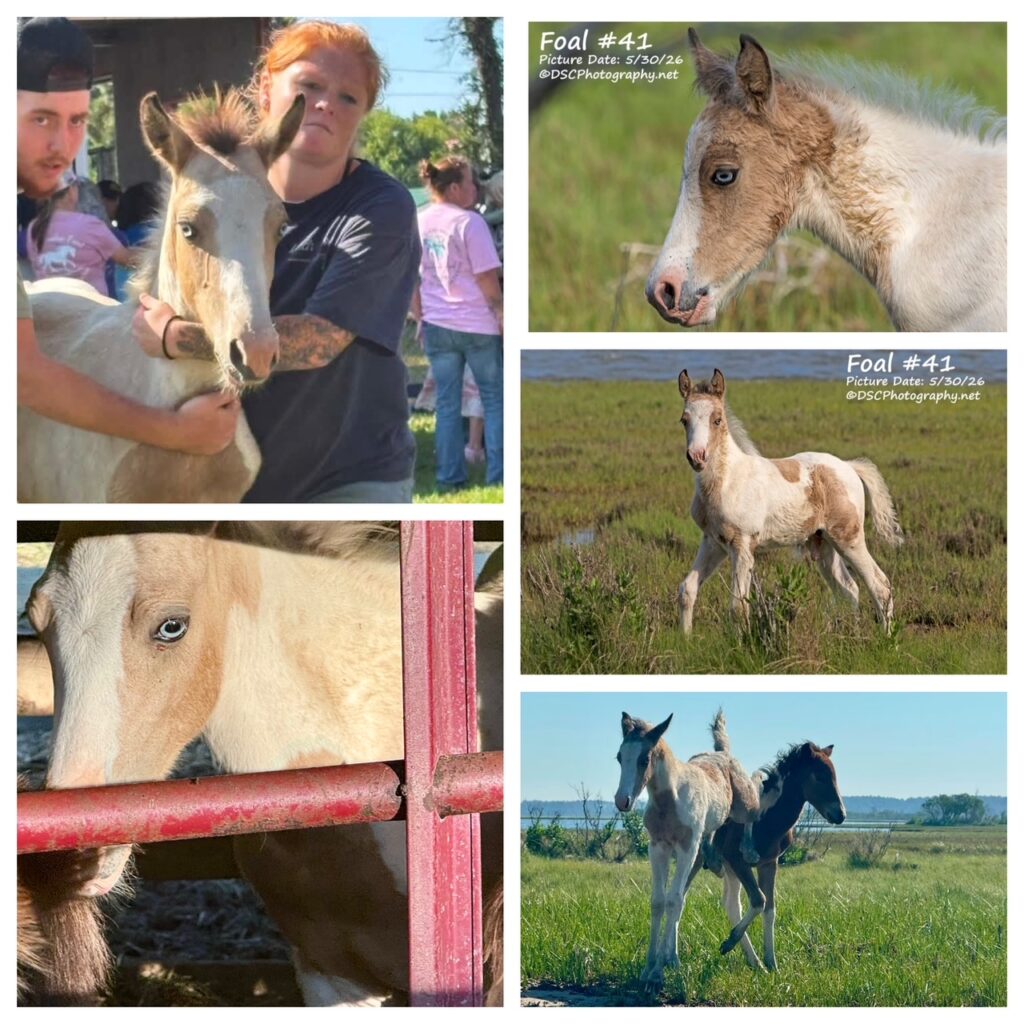
Photo: Twisted T’s (Teaguer’s) Misschief – “Twix” – purchased at the 2026 Chincoteague Pony Penning. The son of Twist and Miss Me, Twix shares a bloodline with the Assateague blue-eyed stallion, Dewey.